Design of Irrigation & Drainage Structures (part 1)
Section outline
-
context in civil and agricultural engineering programs. It involves the engineering principles and practices used to manage water efficiently for agricultural and land-use purposes.
the needs for designing
-
Purpose: Ensure optimal water availability for crops and remove excess water to prevent waterlogging and salinity.
-
Goal: Improve agricultural productivity, protect soil health, and manage water resources sustainably.
-
-
-
Irrigation Structures
A. Diversion Headworks
-
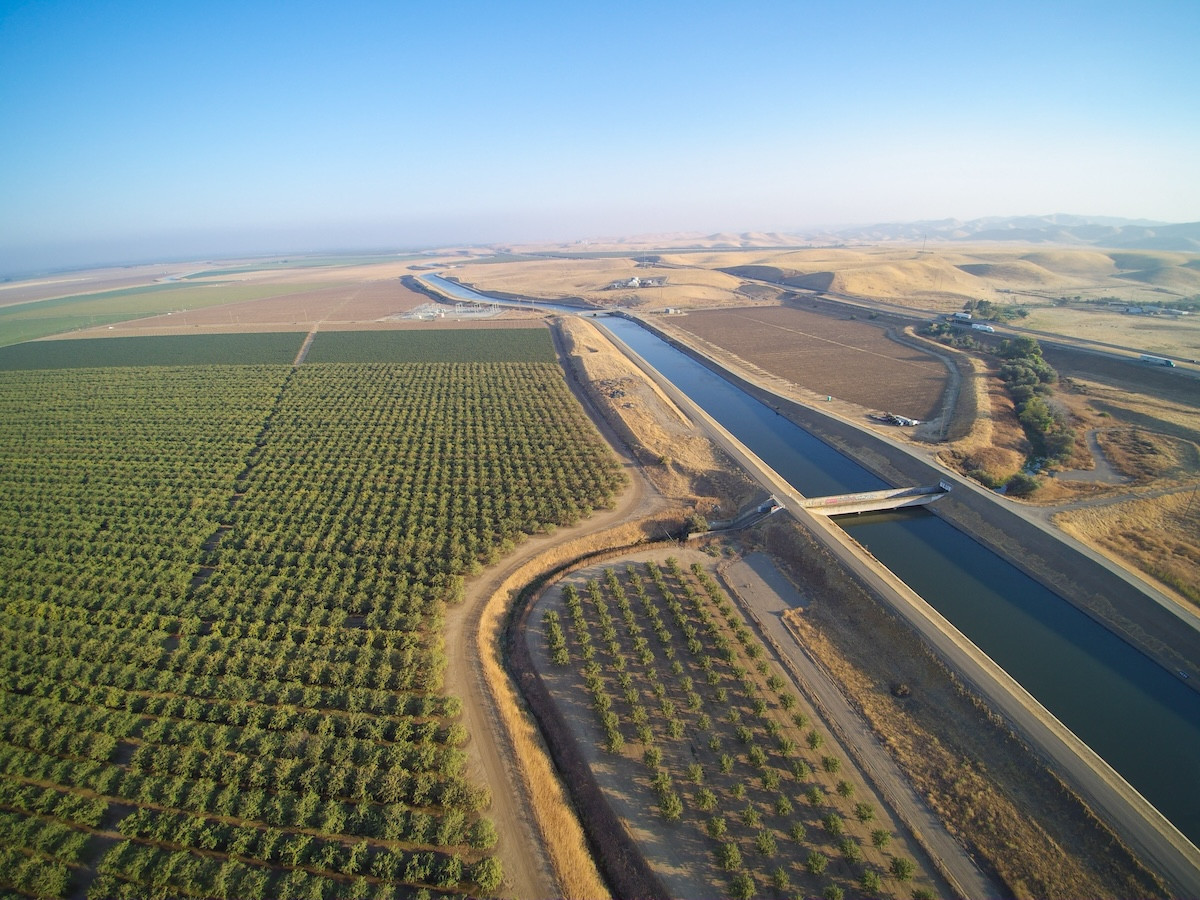
Function: Divert water from a river into a canal.
-
Components:
-
Weirs/Barrages
-
Undersluices
-
Fish ladders
-
Guide bunds
-
B. Canal Structures
-
Types:
-
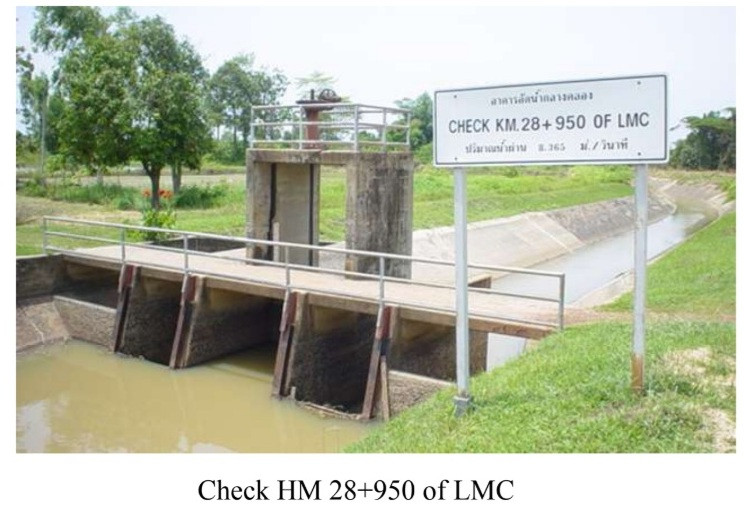
Canal Falls – to dissipate energy in steep terrain
-
Canal Regulators – control water flow and level
-
Cross Regulators – maintain uniform flow
-
Outlets – supply water to fields
-
-
Design Aspects:
-
Hydraulic design
-
Structural stability
-
Sediment control
-
C. Water Conveyance Systems
-
Lined vs. Unlined Canals
-
Pipes and Drip Systems
-
Sprinkler Irrigation
Drainage Structures
A. Surface Drainage
-
Purpose: Remove excess water from the land surface.
-
Structures:
-
Open drains
-
Field drains
-
Collector drains
-
B. Subsurface Drainage
-
Purpose: Remove water from root zones.
-
Methods:
-
Tile drainage (pipes laid below ground)
-
Vertical drainage (pumping wells)
-
C. Drainage Channels and Culverts
-
Design Parameters:
-
Rainfall intensity
-
Soil permeability
-
Crop tolerance to waterlogging
-
Design Considerations
A. Hydraulic Design
-
Manning’s equation for channel flow
-
Flow velocity, discharge, and slope
-
Seepage losses and lining requirements
B. Structural Design
-
Load-bearing capacity
-
Foundation design
-
Use of concrete, masonry, and earthen materials
C. Environmental & Economic Aspects
-
Water conservation
-
Cost-benefit analysis
-
Impact on ecosystems
-
-
-
-
-
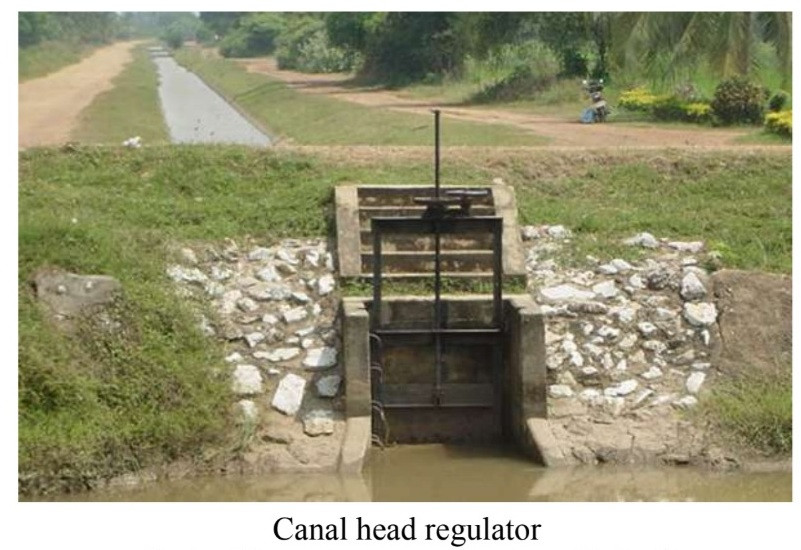
Canal head regulator
Installation
- Locate at the beginning of lateral or sub-lateral canals
- If irrigation project is small canal head regulator may be applied
Function and caution
- Control discharge flowing to the lateral or sub-lateral canals using controllable
slide gate (controlled by hoist)
- Slide gate is installed at the inlet of U/S side of the head regulator
- At the D/S, there may have water measurement structure, usually is broad
crested weir.
- All pipe subjected to internal water pressure, there should be rubber gasket
joints to insure water will not be lost outside (leakage, seepage). Under some
roadways, pipe may be damaged by heavy load, recheck the stress allowance
from producers shall be conducted
Components
- Inlet transition
- Culvert
- Outlet transition
-
-